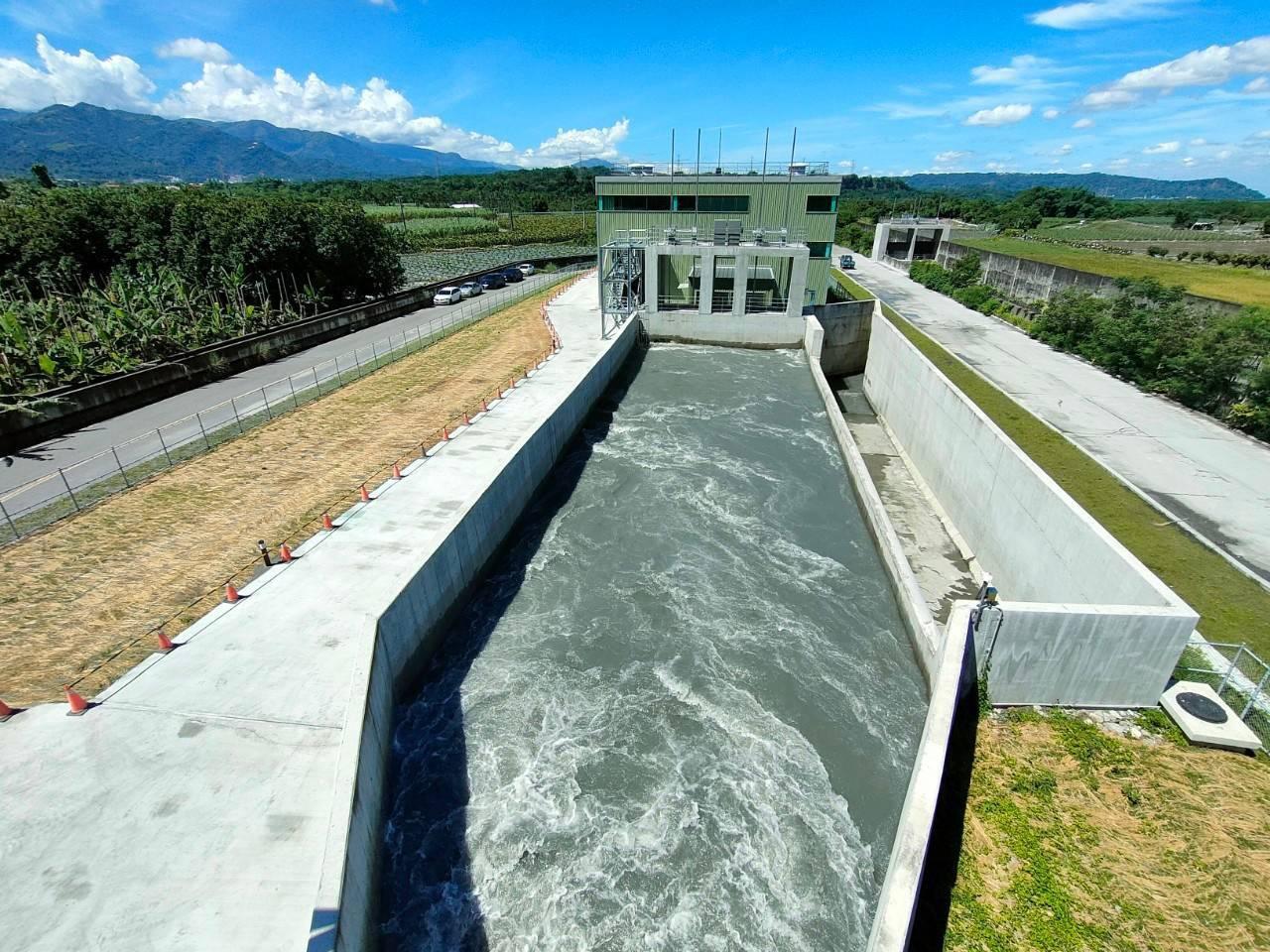
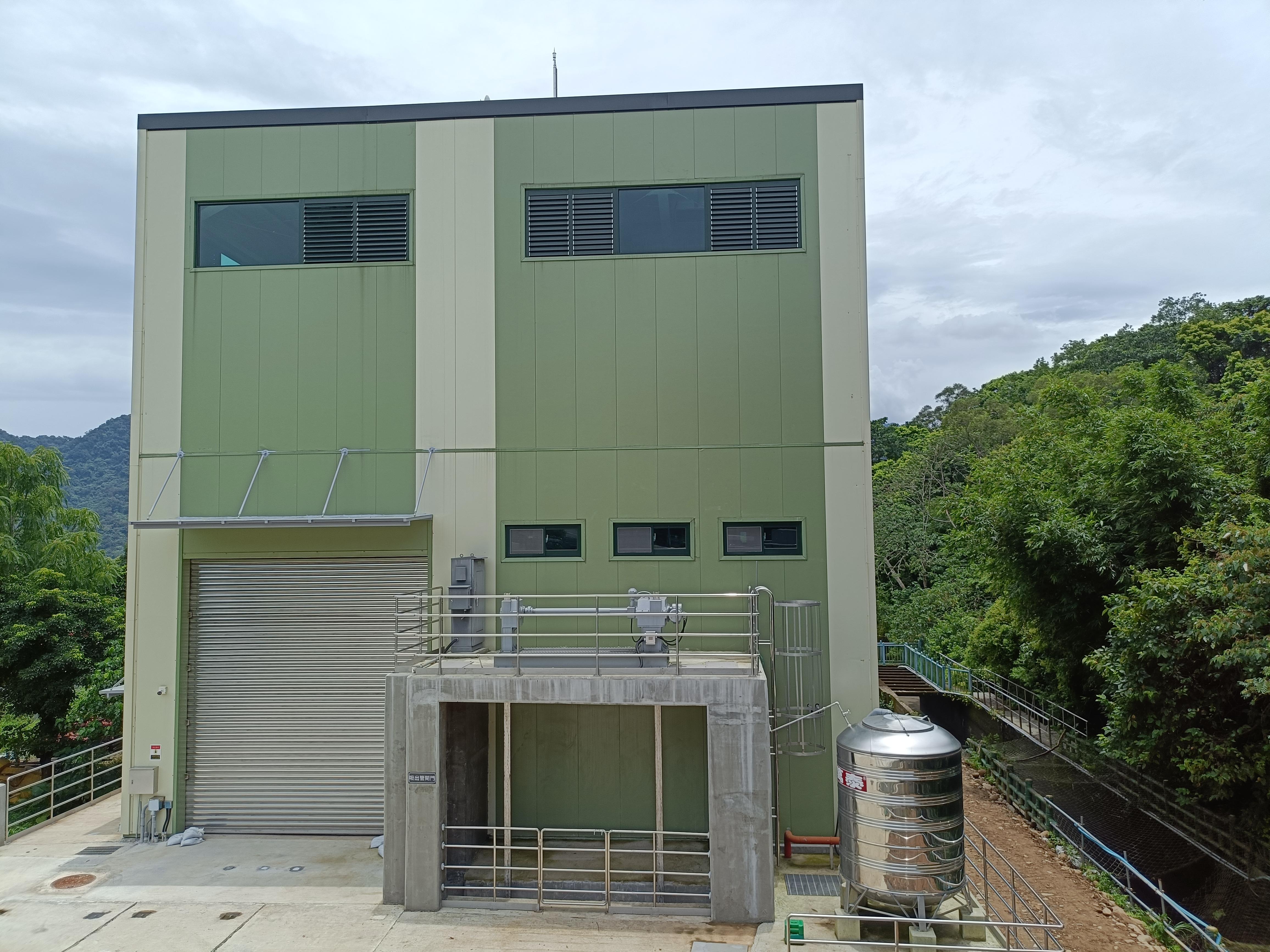
Achieving net zero emissions by 2050 is the objective of Taiwan and most countries in the world. Water Resources Agency (WRA) is actively participating in net zero transformation, and formulated specific carbon reduction objectives for each year based on the average total carbon emissions from 2019 to 2021. The goal is to achieve long-term net zero emissions through the reduction of engineering carbon emission, increase of tree planting for carbon sequestration and green energy.
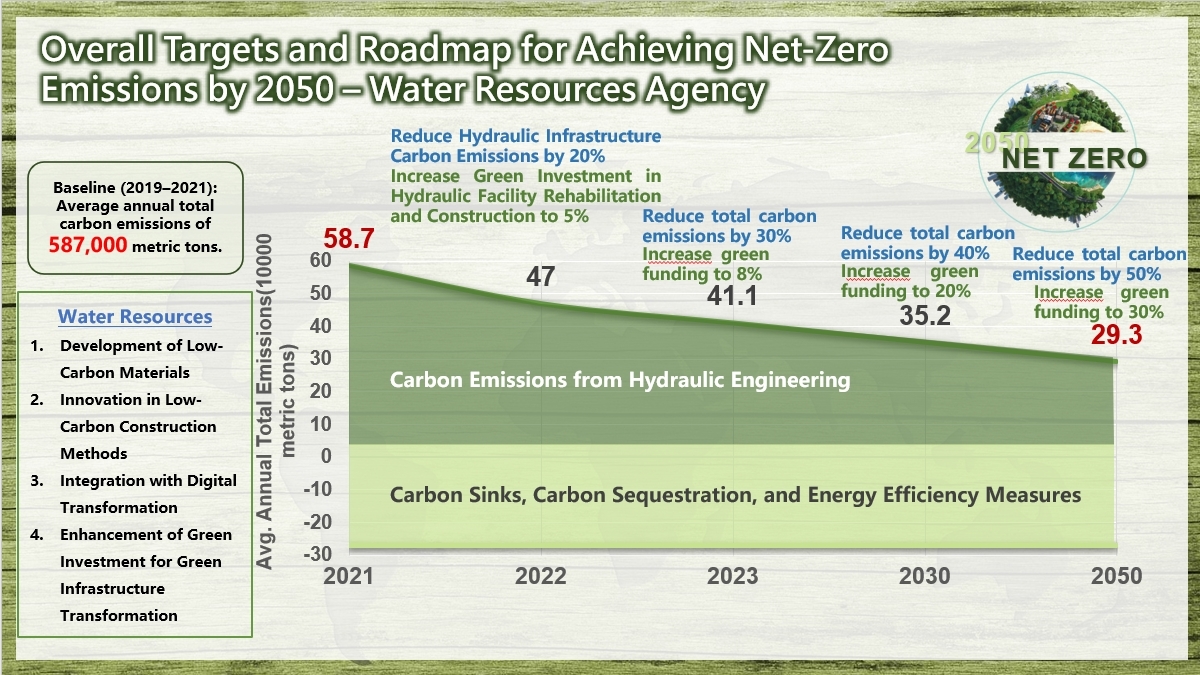
In response to the 2050 net zero emissions objective, Water Resources Agency has proposed the following three major responsive measures:
- Carbon reduction of hydraulic engineering to head towards net zero emissions:
Through the original carbon budget management method, we promote a systematic carbon reduction mechanism and formulate carbon reduction strategies at each stage of the project life cycle (i.e. planning, design, construction, and operation), including low-carbon construction methods, carbon reduction design, use of green recycled materials, refined construction specifications, and environmental creation to sequester carbon, etc., to accurately implement total carbon emission control. At the same time, in order to improve the effectiveness of carbon reduction, we continue to integrate and promote green transformation (GX) and digital transformation (DX), introduce technological capabilities, implement 2050 net zero emissions, and contribute to the global net zero movement.
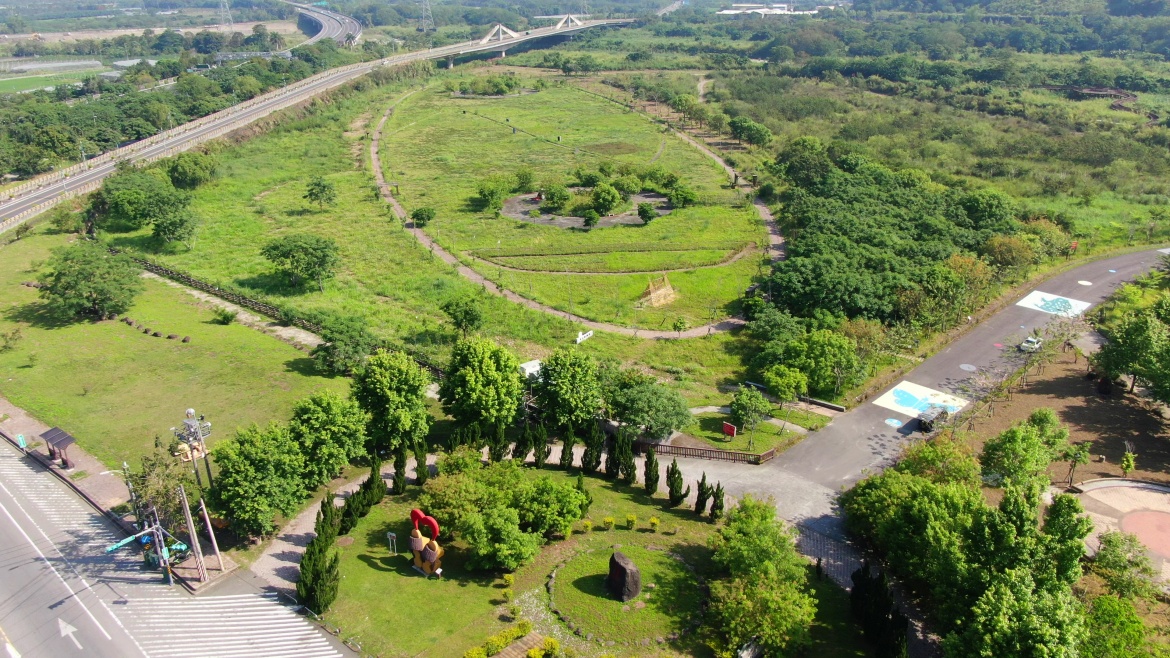
- Strengthening land afforestation to increase carbon sequestration effectiveness:
In response to the net-zero policy, the Water Resources Agency has adopted a variety of tree planting methods through various engineering projects. By the end of 2025, the tree planting area had exceeded 642 hectares, with an annual carbon reduction of approximately 5,470 CO2e.

- Expanding Small Hydropower Capacity to Achieve Carbon Reduction Targets:
Since 2007, the Agency has aligned with national energy policies by utilizing reservoirs and related water infrastructure to promote small hydropower generation, under the principle of avoiding waste of water resources. To date, a total of 17 project sites have been completed, with a combined installed capacity of 47.239 MW.
In June 2023, the Energy Administration expanded the applicability of small hydropower to include natural rivers. In response, the Agency has undertaken systematic assessments of potential small hydropower sites and incorporated hydropower potential evaluations into the planning and design of existing water infrastructure, actively expanding small hydropower development capacity.In 2025, the Agency announced 27 priority project sites within its jurisdiction. Development is being accelerated through diversified approaches, including Government-led implementation, Open solicitation for private sector participation & Collaboration with Taiwan Power Company. Moving forward, the Agency will collaborate with local governments to include rivers under county and municipal management in the assessment and development scope. These efforts aim to maximize the combined benefits of energy conservation, green power generation, and carbon reduction, serving as a key strategy for promoting net-zero emissions.